

The Great Hanji Papermakers of Korea
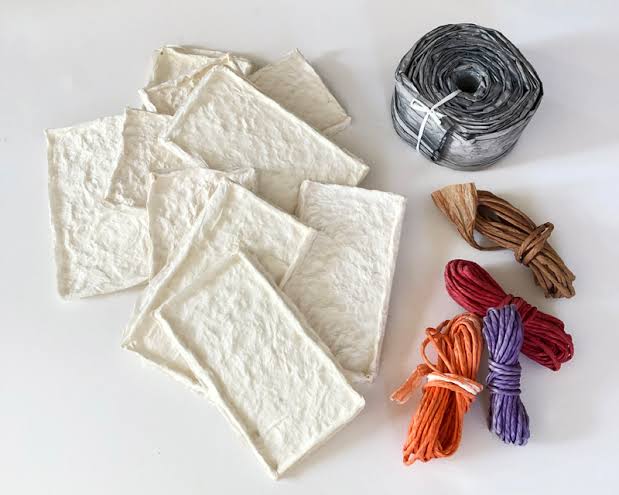
In Korea, there is a paper called Hanji, and one of its old names is Baekji, which means hundred-paper. The name comes from how it's made. The papermaker's hands touch each sheet ninety-nine times, from the bark to the finished page. The hundredth touch is yours, when you finally write on it. The maker doesn't consider the paper finished. You finish it.

It begins with a mulberry tree cut in the dead of winter, when the fibers are at their strongest, and only ever a one-year-old tree, so the older ones are left to preserve the forest. The bark is boiled, not bleached, in a lye made from buckwheat and bean stalks, without harsh chemicals. Then the fibers are caught on a bamboo screen, and the maker rocks it side to side and back to front so the fibers settle, crossing over each other in every direction. That crisscross is what allows the paper to last over a thousand years. It gives the sheet no weak grain. The Louvres museum uses it to restore and preserve ancient works.

I watched a film about a man who has made Hanji for 45 years. The fibers settle onto his screen in layers almost too thin to see. But he sees them. He knows the exact moment a sheet is whole, a thing the rest of us simply cannot perceive, and it took him most of his life to be able to see it. Just learning to form the sheet takes four years before you make a single page worth keeping.

Dress made from Hanji Paper
Decades ago, his workshop was full of people. Now he has had to let most of them go. Demand for this paper has fallen; the world has moved toward cheaper, faster options. A craft that has lasted more than a thousand years is quietly running out of hands.

Beautiful things shouldn’t be allowed to disappear just because they are slow. Every time someone chooses the careful thing over the convenient one, a maker somewhere gets to keep going. The paper lasts a thousand years. It’s up to that hundredth hand to make sure it continues to be seen by the next generations.

Open any novel on your shelf. The paper isn't white.
Fisher Space Pen ® - The pens that made it to space.